Plumbing · Duluth, MN
Grant Plumbing evaluates the existing setup, household demand, and available utilities before recommending equipment. Installations follow documented steps that cover venting, connections, and final testing for each property.
Homeowners often notice inconsistent temperatures or visible corrosion around the base of the unit. These signs show the tank or heating elements have reached the end of reliable service. A technician starts by checking the age of the existing heater and measuring recovery rates against current household needs. Sediment buildup comes next because it cuts efficiency and can shorten component life. After inspection, the team decides whether repair or full replacement offers the better long-term result. Replacement usually makes sense once a unit passes ten to fifteen years or shows repeated leaks. The process also accounts for fuel type, venting requirements, and clearance around the installation spot to avoid future access problems.
Before any equipment is removed, gas or electrical connections are isolated and the water supply is shut off. The surrounding area gets checked for adequate floor support and drainage options in case of future leaks. Technicians measure available space to confirm the new unit will fit without changes to surrounding structures. Existing venting or exhaust paths are evaluated for compatibility with the replacement model. Homeowners can note the age label and any recurring temperature fluctuations to help prioritize the visit.
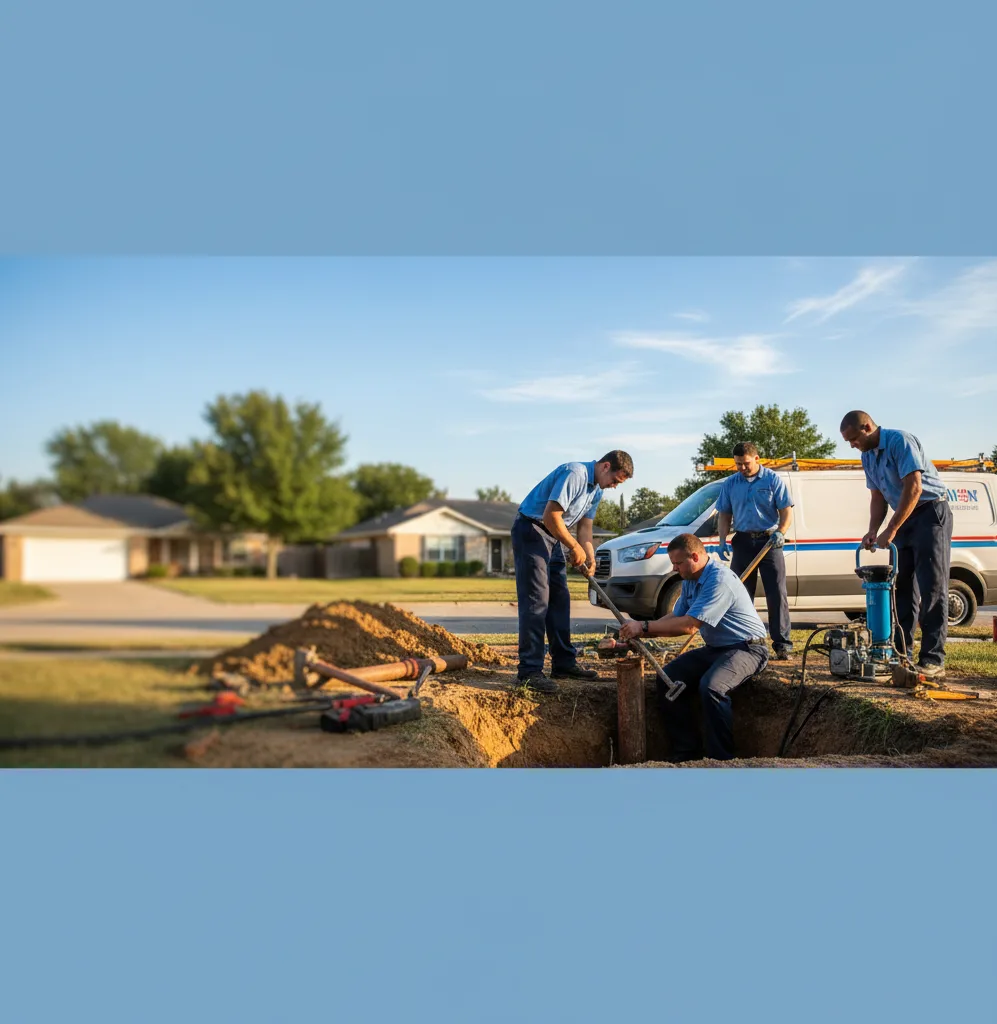
The ground conditions around a property play a role in how water lines are routed and protected during installation. Every home in Duluth rests on sandy loam. Proper planning accounts for these variations to ensure long-term reliability of the entire system.
Water quality directly impacts the performance of heating equipment and the buildup on internal parts. Duluth draws soft water from the local supply. Installers select components that hold up well under the area's specific conditions and test accordingly.
Weather patterns also shape the approach to outdoor and attic installations, especially regarding insulation and venting. The region has mild summers and hard winters, dry air, and 176 nights below freezing. Technicians adjust methods to match these patterns for optimal results and efficiency.
FAQ

The interval depends on local water hardness and how much hot water the household uses. In areas with moderate hardness, once a year is usually sufficient. Homes with very hard water may benefit from flushing every six months. A technician can check the amount of sediment during the first service call and recommend a schedule based on what is found.
Noise usually comes from sediment that has settled at the bottom of the tank and is being heated repeatedly. The sound can range from popping to rumbling depending on how much material has accumulated. Flushing the tank removes most of the sediment and quiets the unit. In some cases the dip tube has broken and is directing cold water directly onto the heating element, which also creates noise.
The task requires shutting off power or gas, draining the tank, and working with electrical connections or gas fittings. Incorrect reassembly can create leaks or safety hazards. Most homeowners lack the specific tools needed to torque the new element correctly. A licensed technician performs the replacement and tests the unit afterward.
Water Heater Repair & Plumber across Duluth, MN. Call (888) 205-2213.
Call (888) 205-2213